
📑 目錄
🎒 為什麼打包清單對這趟特定旅程很重要
入住Voyage International Hotel並參觀NCIEC展會或在北京首都機場中轉,是一種特定的旅程——部分是過境酒店住宿,部分是展會馬拉松,部分是文化一日遊——而為此準備的打包清單與一般的北京城市休閒旅行確實不同。你需要舒適的鞋子來應對在NCIEC展館之間10至15公里的步行,需要一個行動電源來支撐一整天導航和拍照的手機,需要一件薄外套應對機場冷氣,但也需要一套商務休閒裝用於在酒店餐廳晚餐。你需要七月防曬用品和一月厚外套。你需要離線下載的翻譯應用程式、中國插頭適配器,以及足夠的人民幣現金用於支付支付寶無法涵蓋的小額消費。
本文是我自己前往Voyage International Hotel旅行時使用的打包清單——按季節、按類別、以及按你是獨自旅行、情侶出行還是帶孩子出行來分類。它還涵蓋了你不需要帶的東西(酒店提供的比你預期的多)以及針對使用廉價航空公司的預算旅客的7公斤僅隨身行李策略。
🌦️ 按季節打包——北京會給你帶來什麼天氣
北京屬濕潤大陸性氣候,四季分明。打包清單隨季節有顯著變化:
| 季節 | 月份 | 溫度 | 建議攜帶 |
|---|---|---|---|
| 冬季 | 十二月至二月 | -2至5°C,偶爾降至-10°C | 厚外套、手套、圍巾、保暖帽、保暖內衣、保暖靴 |
| 春季 | 三月至五月 | 10至24°C,偶有沙塵暴 | 薄毛衣、薄外套、長褲、T恤、口罩(三月用) |
| 夏季 | 六月至八月 | 25至34°C,濕度高 | 輕薄棉麻衣物、T恤、短褲、涼鞋、遮陽帽、防曬霜 |
| 秋季 | 九月至十一月 | 10至22°C,濕度低 | 薄毛衣、薄外套、長褲、T恤 |
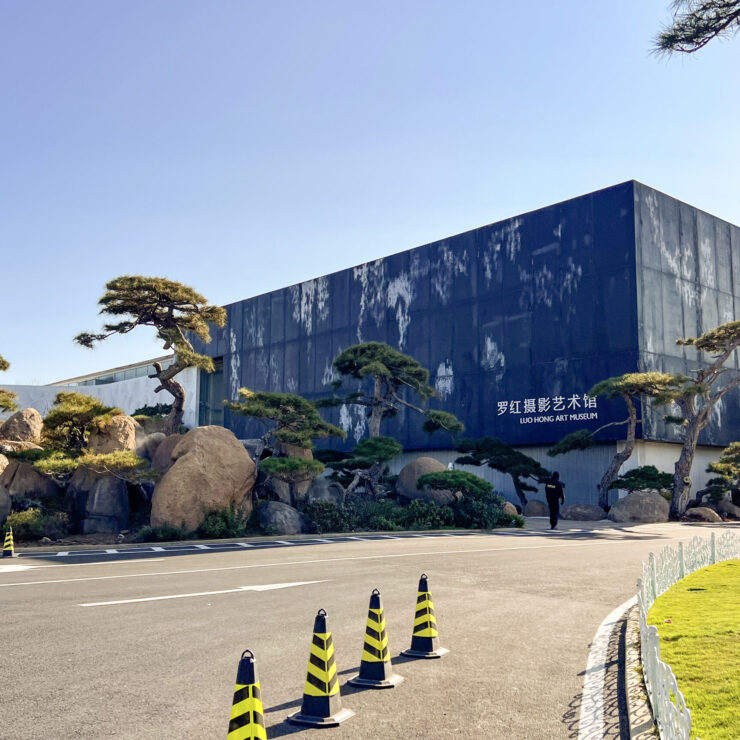
⚠️ 冬季特別提示: 北京冬天確實寒冷,夜間氣溫經常降至-10°C。酒店有中央暖氣(所以房間很舒適),但等機場接駁車、在NCIEC展館之間步行、以及羅紅美術館花園都需要保暖衣物。請帶上厚外套、手套、帽子和保暖靴。
👕 兩晚住宿的衣物
在Voyage International Hotel住兩晚,包括一個NCIEC展會日和一個文化日,以下是我會打包的衣物:
👕 上衣(3件)
- 2件T恤用於展會和博物館日
- 1件商務休閒襯衫或上衣用於在酒店餐廳晚餐(商務休閒即可——18:30後不可穿牛仔褲或短褲)
👖 長褲(2條)
- 1條舒適的步行長褲用於NCIEC展會日
- 1條商務休閒長褲(卡其褲或西褲)用於晚餐
🧥 外套(1-2件)
- 冬季:1件厚外套(羽絨服)+ 1件薄毛衣
- 春季/秋季:1件薄外套 + 1件薄毛衣
- 夏季:1件輕便雨衣(應對午後雷陣雨)+ 1頂遮陽帽
👟 Shoes (2 pairs)
- 1 pair of comfortable, broken-in walking shoes (NCIEC is 10–15 km over the full day — do not bring new shoes)
- 1 pair of sandals or flip-flops for the hotel
🧦 Underwear and socks
- 3 pairs of underwear
- 3 pairs of socks (including 2 pairs of comfortable walking socks)
- 1 set of sleepwear
🧣 Accessories
- 1 light scarf (useful in air-conditioned restaurants)
- 1 small handbag or day backpack for the exhibition day
- 1 pair of sunglasses (essential in summer)
💡 Laundry tip: Voyage International Hotel has a free self-service laundry room on the second floor — three washing machines and three tumble dryers, free detergent provided. If you are staying 3+ nights, you can pack half as much clothing and do a load of laundry mid-stay.
🏛️ NCIEC exhibition essentials
For the NCIEC exhibition day itself, there are some specific items that will make the day genuinely easier:
🎒 The day backpack
A small backpack (20–30 litres) is the right size for NCIEC. Larger backpacks are uncomfortable in the exhibition crowds and are searched more thoroughly at the security bag check. Smaller backpacks do not fit the essentials. The backpack should be lightweight, water-resistant, and easy to take on and off.
💧 Refillable water bottle
NCIEC has free water refill stations throughout the venue. A 1-litre refillable bottle (Nalgene, Hydro Flask, or any insulated bottle) is genuinely useful — a bottle of water inside the venue costs CNY 15, and you will drink 2–3 litres over a 12-hour exhibition day. Insulated bottles keep the water cold for hours in summer.
📱 Portable phone charger (power bank)
The single most important piece of tech for an NCIEC day. Your phone will be used for: navigation, the exhibition app (which shows real-time booth locations), translation, photography, and messaging. The battery will not last the full day without a power bank. A 10,000 mAh power bank (Anker, Xiaomi, or equivalent) is the right size — fits in the backpack, charges a phone 2–3 times, weighs about 250 g.
🧴 Sunscreen SPF 50+ (in summer)
NCIEC walking between halls is largely unshaded, and the Beijing sun is genuinely intense in summer (UV index regularly 9–10). Apply sunscreen in the morning before leaving the hotel and reapply every 2 hours.
🧥 Light rain jacket (in summer)
Afternoon thunderstorms are an almost daily occurrence in Beijing from June to September, usually between 15:00 and 17:00. A light rain jacket (not an umbrella — umbrellas are impractical in the exhibition crowds) keeps you dry and lets you continue enjoying the exhibition while others shelter.
🧻 Tissues and wet wipes
Chinese public toilets do not always provide toilet paper. A small pack of tissues (or pocket tissues) is genuinely useful. Wet wipes are useful for cleaning hands after eating, after touching the exhibition booths, and for general hygiene.
🛫 Airport layover essentials
For international travellers doing a 1-night layover at Voyage International Hotel, the additional essentials:
🧳 Travel-size toiletries (under 100 ml each)
If you are arriving by air and your checked bag goes straight through to your final destination, you need travel-size toiletries in your carry-on. The hotel provides basic amenities (shampoo, body wash, toothbrush, toothpaste) but bring your preferred brands if you are particular.
🧴 Refresh kit for the morning
For a 1-night layover, a small refresh kit (face wipes, moisturiser, deodorant, hairbrush) is genuinely useful. You will arrive at the hotel at 22:00, leave at 09:00 the next morning, and want to feel refreshed for your connecting flight.
💊 Melatonin or sleeping pills
For international travellers with jet lag, a sleeping pill is genuinely useful. The hotel room has black-out curtains, but your body clock may not cooperate. Bring your preferred sleep aid.
📋 Connecting flight details printed
Have a printed copy of your connecting flight details (flight number, departure time, terminal) — useful if your phone dies, the Wi-Fi is patchy, or you need to show the airport shuttle driver where to drop you.
🔌 Electronics and tech
📱 Phone and charger
- Smartphone with camera (any modern phone is fine — iPhone 12+ or Samsung S21+ are more than enough)
- Phone charger and USB cable
- Power bank (see above)
🔌 Power adapter
China uses 220V at 50 Hz. The plug types accepted are:
- Type A (the two flat parallel pins — used in North America and Japan)
- Type C (the two round pins — used in Europe)
- Type I (the three flat pins — used in Australia and New Zealand)
If you are coming from the UK, India, or South Africa, you need a Type A, C, or I adapter. If you are coming from the US, your two-pin plug will work directly; your three-pin plug needs an adapter. The hotel rooms have USB charging ports (Type A and Type C) at the desk — these work for most phones and tablets without an adapter.
🎧 Headphones
Useful for the flight, for the airport shuttle, and for the NCIEC walking. Noise-cancelling headphones are particularly useful for the airport shuttle — Beijing traffic is genuinely noisy.
📱 Translation app
Download a translation app and the Mandarin language pack before you arrive — do not assume you will have reliable internet at the airport. Baidu Translate (百度翻译) is more accurate than Google Translate for Mandarin. The app is free, supports offline translation, and has a camera mode that translates signs and menus directly through your phone’s camera.
🚫 Important: Google Maps, Google Translate, WhatsApp, Facebook, Instagram, and most major Western apps do not work in mainland China without a VPN. Download a VPN before arrival (Astrill, Express VPN, or Nord VPN all work, but installation must be done before you arrive in China — the VPN provider websites are also blocked in China). For mapping, use Apple Maps (which works in China with the TomTom map data) or Baidu Maps (百度地图, in Chinese only).
📷 Camera (optional)
If you are a serious photographer, a separate camera is genuinely useful at the Luo Hong Art Museum and the NCIEC exhibitions. A compact mirrorless camera (Sony RX100, Canon G7X, or similar) is the right size — DSLRs are heavy and may be restricted at some exhibition halls.
🧴 Toiletries — what to bring, what to skip
✅ Bring these
- 🪥 Your toothbrush (the hotel provides a basic one, but most people prefer their own)
- 🧴 Your preferred shampoo, conditioner, and body wash (the hotel provides a basic selection, but limited)
- 🧴 Sunscreen SPF 50+ (essential in summer)
- 💊 Any prescription medication you take regularly
- 🧴 Your preferred skincare products (the hotel provides basic amenities but the selection is limited)
❌ Skip these (the hotel provides them)
- 🧥 A hairdryer (every room has one)
- 🛁 Towels (the hotel provides these)
- 🛏️ A travel cot (the hotel lends these free for infants)
- 🍼 A bottle warmer (the hotel lends these free)
- 🧴 Basic toiletries (toothbrush, toothpaste, shampoo, conditioner, body wash, hand soap, body lotion, slippers, razor — all provided)
- 🧷 A first-aid kit (the hotel has one at the front desk)
📋 Documents and money
🛂 Documents
- Passport with at least 6 months validity and a valid Chinese visa (if required for your nationality)
- Hotel booking confirmation (printed — useful to show taxi drivers and the hotel check-in desk)
- Travel insurance documents (printed copy of the policy and the emergency assistance number)
- Flight itinerary (printed copy)
- Copy of your passport kept separately from the original (useful if your passport is lost or stolen)
- NCIEC visitor ticket confirmation (printed — useful at the security check)
- Any prescription medication documentation (in English, with the generic drug name — useful for customs and for refills in Beijing)
💰 Money
- Cash in CNY — about CNY 1,000 for a 2-night stay (enough for tips, small purchases, and emergency taxi rides). The hotel can exchange foreign currency at the front desk, but the rate is not great. Bring CNY from home or use the airport ATM.
- Alipay or WeChat Pay — set up before arrival, with an international credit card linked. This is the single most useful payment method in Beijing — works for taxis, the metro, every restaurant, every shop, and every hotel. The exchange rate is the Visa/Mastercard rate with no markup.
- International credit card — Visa or Mastercard, for backup. The hotel may accept international cards; restaurants and shops generally do not. Confirm with your hotel.
⚠️ 提示: Chinese ATMs at the airport (Bank of China, ICBC) accept most international Visa and Mastercard debit cards and dispense CNY. The exchange rate is generally better than currency exchange counters. Avoid exchanging large amounts at the airport hotel front desk — the rate is 5–10% worse than the ATM rate.
🩺 Medical and first-aid
The hotel has a first-aid kit at the front desk (bandages, antiseptic, paracetamol, oral rehydration salts, thermometer) but the kit is basic. For a 2-night stay, I would bring:
- 💊 Paracetamol or ibuprofen (for headaches, fever, muscle aches)
- 💊 Anti-diarrhoeal medication (Imodium or equivalent — Beijing street food can be unfamiliar)
- 💊 Oral rehydration salts (for heat exhaustion in summer)
- 💊 Antihistamine (for allergies — Beijing air pollution and pollen)
- 🧴 Sunscreen SPF 50+ (see above)
- 🩹 Plasters and antiseptic cream (for blisters — NCIEC walking will give you blisters if your shoes are not broken in)
- 💊 Any prescription medication you take regularly (in original packaging, with a copy of the prescription)
- 🤧 Face masks (optional — useful in the Beijing metro and at NCIEC if you have a cold)
👶 If you are travelling with children — the extra list
For a family with children under 12, add these items to the standard list:
- 🥛 Your child’s preferred formula brand (the local selection is limited)
- 🍼 Baby bottles and a bottle brush (the hotel provides a bottle warmer, not bottles)
- 🧷 Pool nappies if your child is not toilet-trained (the local gift shop selection is limited)
- 🛒 A lightweight stroller (the hotel lends strollers free, but supply is limited — bring your own for guarantee)
- 🧸 A small soft toy for nap time (the hotel provides a small B.Duck soft toy at check-in, but your child may want their own)
- 📚 Children’s books or colouring books for the airport shuttle and the metro rides
- 📱 A tablet with downloaded children’s shows (NCIEC is a long day — the tablet is useful for the return shuttle)
- 🧴 Children’s sunscreen (the hotel provides adult sunscreen, not children’s)
- 🪥 Children’s toothbrush and toothpaste (the hotel provides a basic children’s set, but bring your own if your child is particular)
🚫 What you do NOT need to bring
Save space in your suitcase by leaving these items at home:
- 🛏️ A travel cot — the hotel lends these free for infants
- 🌀 A hairdryer — every room has one
- 🧖 Towels — the hotel provides these
- 🧴 Basic toiletries — the hotel provides shampoo, conditioner, body wash, hand soap, body lotion, toothbrush, toothpaste, slippers, razor
- 🔧 A universal power adapter if you have a Type A, C, or I plug (the hotel rooms accept these directly)
- 📖 Heavy hiking gear — both NCIEC and the museum are fully paved
- 🧊 A large first-aid kit — the hotel has one at the front desk
- 🛒 A stroller (if you are willing to risk limited supply at the hotel)
- 🍶 Bottled water — the hotel provides unlimited free bottled water in the room
- 🧾 A printed itinerary — your phone is enough, and the hotel front desk can print documents if needed
🎒 The 7 kg carry-on strategy
If you are travelling on a low-cost airline with a 7 kg carry-on limit, here is how I would pack for a 2-night Voyage International Hotel + NCIEC trip:
- 🎒 Backpack (the day pack you will use at NCIEC) — 1 kg
- 👕 2 t-shirts, 1 long-sleeved shirt, 2 pairs trousers, 3 pairs underwear, 3 pairs socks — 2 kg
- 🧥 1 light jacket (worn on the plane) — 0.5 kg
- 👟 1 pair walking shoes (worn on the plane), 1 pair sandals (in the bag) — 1 kg
- 🧴 Toiletries — 1 kg
- 📱 Electronics (phone, charger, power bank, headphones, adapter) — 1 kg
- 📋 Documents and money — 0.3 kg
- 💊 Medical and first-aid — 0.2 kg
- Total: 7 kg
💡 提示: the strategy is to wear your heaviest items on the plane (the jacket, the walking shoes) and pack the lighter items in the bag. Use the hotel’s free self-service laundry for a mid-stay wash if you need to extend the trip.
❓ Frequently asked questions
How much CNY cash should I bring for a 2-night stay?
About CNY 1,000 is enough for most trips. Most payments can go on Alipay or WeChat Pay (set up before arrival with an international credit card). Cash is needed for tips, small purchases, and the hotel gift shop. Bring CNY 500 and use the airport ATM if you need more.
Do I need a power adapter for China?
If you have a Type A (US two-pin), Type C (European two-pin), or Type I (Australian three-pin) plug, you do not need an adapter — the hotel rooms accept these directly. If you have a UK three-pin plug, you need a Type A, C, or I adapter. The hotel rooms also have USB charging ports at the desk.
Can I bring my CPAP machine through customs?
Yes — CPAP machines are allowed through Chinese customs without documentation. The hotel rooms have a power socket next to the bed (Type A and Type C compatible). Bring a long power cord if your CPAP machine’s cord is short.
Should I bring a portable Wi-Fi hotspot?
Not necessary if you have a VPN set up on your phone. The hotel Wi-Fi is fast (100 Mbps on floor 6, 50 Mbps elsewhere) and reliable. For the NCIEC day, your phone with a VPN is sufficient. If you want a backup, you can rent a portable Wi-Fi hotspot at PEK airport for about CNY 30 per day.
What about baby formula — can I bring it into China?
Yes — up to 6 cans (about 3 kg) of baby formula can be brought into China for personal use, without declaration. Beyond that, you may be asked to declare it. The hotel does not stock specific baby formula brands; the local selection is the Chinese-produced brand Friso.
Can I bring over-the-counter medication into China?
Most common over-the-counter medications (paracetamol, ibuprofen, antihistamines, anti-diarrhoeals) are allowed in personal-use quantities without declaration. Some medications containing codeine or pseudoephedrine are restricted — check the Chinese customs website if you are unsure. Bring medications in their original packaging with a copy of the prescription.
Is there a luggage weight limit on the hotel shuttle?
No — the shuttle buses have luggage storage and there is no weight limit. The standard guideline is 2 bags per person, but the driver is usually flexible for hotel guests.
 English
 Chinese (China)
 Korean
 Japanese
 German
 Spanish
 French
 Russian
 Thai
 Chinese (Hong Kong)
 Chinese (Taiwan)