

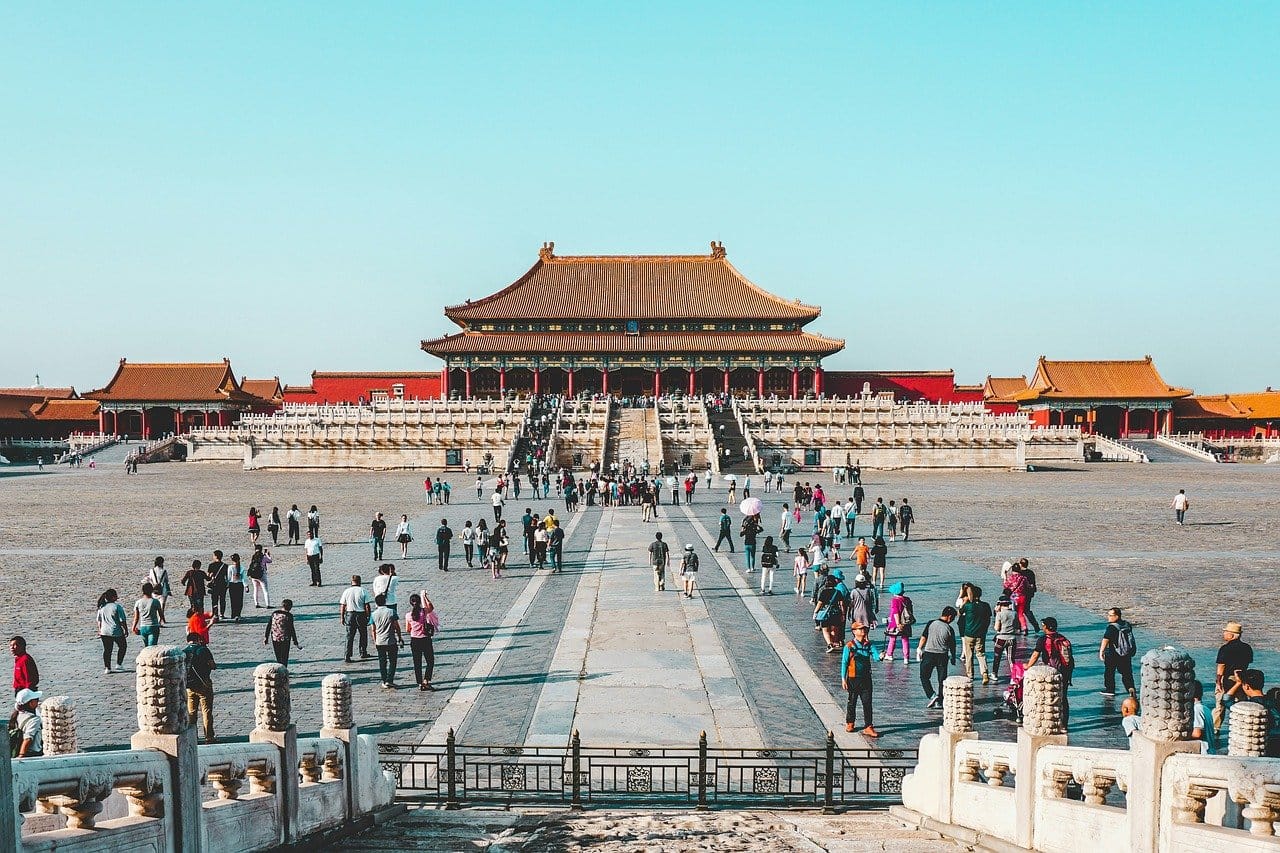
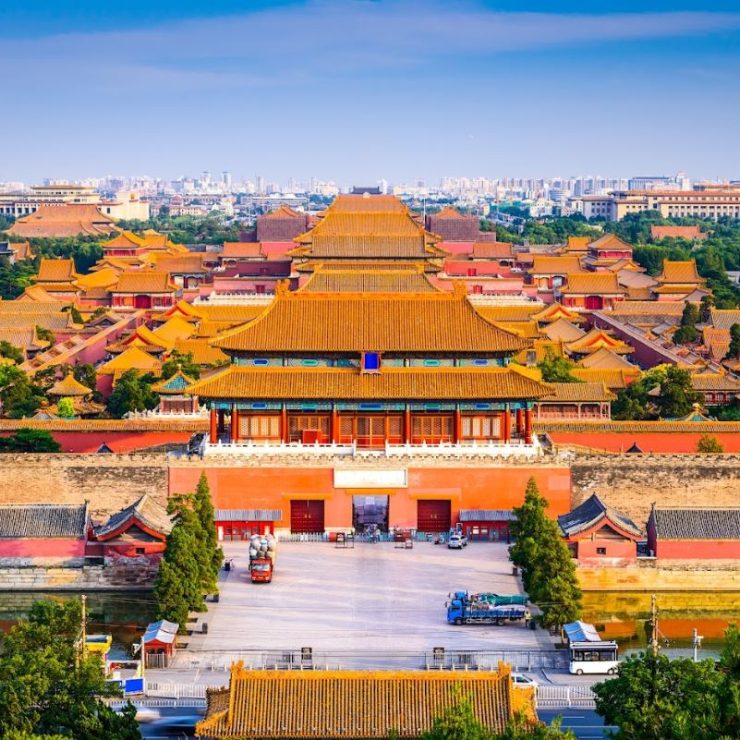
The Forbidden City, nestled in the heart of Beijing, China, is one of the most iconic and historically significant landmarks in the world. Once the imperial palace of the Ming and Qing dynasties, this sprawling complex served as the political and ceremonial center of China for nearly 500 years. Today, it stands as a UNESCO World Heritage Site and a must-visit destination for millions of tourists every year. With its grand architecture, intricate details, and deep cultural significance, the Forbidden City offers an unforgettable journey into China’s rich history.
However, visiting the Forbidden City can be overwhelming without proper planning. To make the most of your trip, it’s essential to know the ins and outs of this majestic site. Here’s a comprehensive guide with insider tips to help you unlock the mysteries of the Forbidden City and enjoy a seamless experience.
1. Understanding the Forbidden City
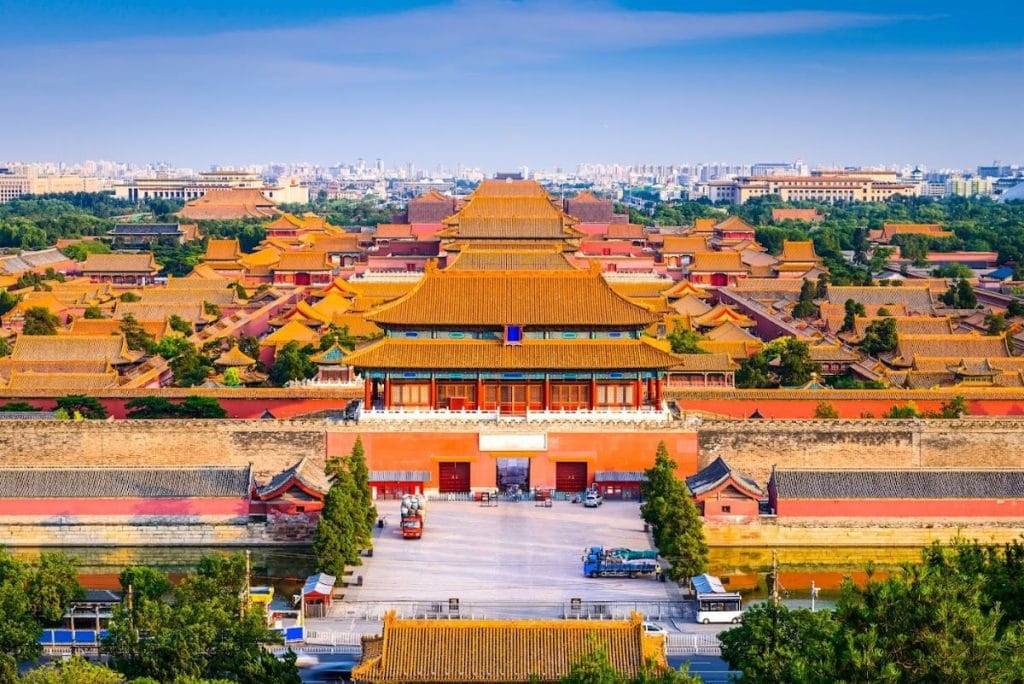
Before you step into the Forbidden City, it’s important to understand its historical and cultural significance. Built between 1406 and 1420 during the reign of Emperor Yongle of the Ming Dynasty, the Forbidden City served as the home of 24 emperors. Spanning over 180 acres and containing nearly 1,000 buildings, it is the largest palace complex in the world.
The term “Forbidden City” comes from the fact that ordinary citizens were not allowed to enter during imperial times. Today, it is officially known as the Palace Museum and houses over 1.8 million artifacts, making it one of the most important cultural institutions in China.
2. Planning Your Visit
2.1. Tickets and Timings
- Online Booking: Tickets to the Forbidden City sell out quickly, especially during peak seasons. It’s highly recommended to purchase tickets online in advance through the official Palace Museum website or authorized platforms.
- Daily Visitor Limit: The Forbidden City caps the number of daily visitors at 30,000, so booking early is crucial.
- Opening Hours:
- April to October: 8:30 AM – 5:00 PM
- November to March: 8:30 AM – 4:30 PM
- Last entry is one hour before closing time.
- Closed Days: The Forbidden City is closed on Mondays (except during Chinese national holidays and summer vacations).
2.2. Best Time to Visit
- Season: Spring (April-May) and autumn (September-October) offer the best weather and fewer crowds.
- Time of Day: Arrive early in the morning to avoid the crowds and have ample time to explore.
- Avoid Peak Times: National holidays, weekends, and summer vacations can be extremely crowded. If possible, plan your visit on a weekday.
3. Getting There
The Forbidden City is located in central Beijing, making it easily accessible by public transportation:
- By Subway: Take Line 1 to Tian’anmen East or Tian’anmen West Station. From there, it’s a short walk to the Meridian Gate (the main entrance).
- By Bus: Several bus routes stop near Tian’anmen Square and the Forbidden City.
- By Taxi: Taxis are convenient but may encounter traffic congestion, especially during peak hours.
4. Navigating the Forbidden City
4.1. Key Entrances
- Meridian Gate (South Gate): The main entrance and starting point for most visitors.
- Gate of Divine Prowess (North Gate): The exit gate, located near Jingshan Park.
4.2. Suggested Route
The Forbidden City is designed along a north-south axis, and most visitors follow a linear route from the Meridian Gate to the Gate of Divine Prowess. Here’s a suggested itinerary:
- Meridian Gate: The grand entrance to the Forbidden City.
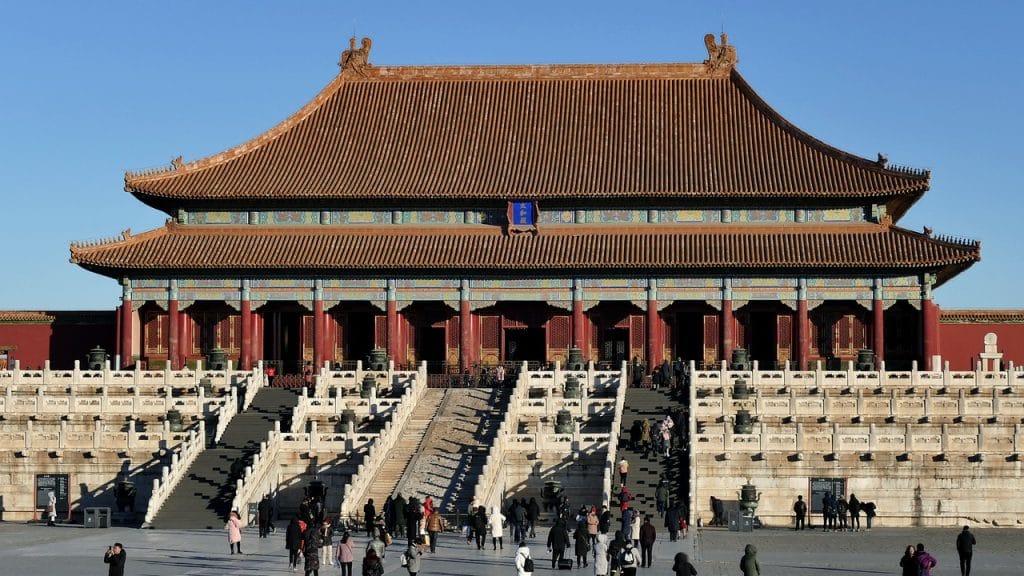
- Hall of Supreme Harmony: The largest and most important hall, where emperors held grand ceremonies.
- Hall of Central Harmony: A smaller hall used for preparation before ceremonies.
- Hall of Preserving Harmony: The site of imperial banquets and examinations.
- Inner Court: Includes the Palace of Heavenly Purity, the Hall of Union, and the Palace of Earthly Tranquility, which served as the emperor’s living quarters.
- Imperial Garden: A tranquil space with ancient trees, rockeries, and pavilions.
- Gate of Divine Prowess: The exit gate.
4.3. Off-the-Beaten-Path Areas
While the main halls are stunning, don’t miss these lesser-known areas:
- Treasures Gallery: Located in the eastern section, this gallery houses imperial treasures, including jade, gold, and ceremonial items.
- Clock Exhibition Hall: A fascinating collection of intricate timepieces gifted to Chinese emperors.
- Western Palaces: These quieter areas offer a glimpse into the daily lives of the imperial family.
5. Insider Tips for a Smooth Visit
5.1. Dress Comfortably
- Wear comfortable shoes, as you’ll be walking a lot on uneven stone paths.
- Bring a hat, sunscreen, and water during summer, and dress warmly in winter.
5.2. Pack Light
- Large bags are not allowed inside, so carry only essentials like your ID, tickets, and a small daypack.
- Note that food and drinks are not sold inside the Forbidden City, so bring your own snacks and water.
5.3. Hire a Guide or Audio Tour
- To truly appreciate the history and stories behind the Forbidden City, consider hiring a licensed guide or renting an audio guide. Many details and cultural nuances can be missed without proper context.
5.4. Allocate Enough Time
- Plan to spend at least 3-4 hours exploring the Forbidden City. If you’re a history enthusiast, you might need an entire day.
6. Beyond the Forbidden City
After your visit, explore nearby attractions to complete your cultural journey:
- Jingshan Park: Located just north of the Forbidden City, this park offers a hilltop view of the entire complex. It’s the perfect spot for panoramic photos.
- Tian’anmen Square: Just south of the Forbidden City, this iconic square is home to landmarks like the Monument to the People’s Heroes and the Mausoleum of Mao Zedong.
- Beihai Park: A beautiful imperial garden and lake located west of the Forbidden City.
7. Cultural Etiquette and Rules
- Respect the Site: The Forbidden City is a cultural treasure, so avoid touching artifacts or climbing on structures.
- Follow Photography Rules: Photography is allowed in most areas, but flash photography and tripods are prohibited.
- Stay on Designated Paths: Stick to marked routes to avoid damaging the site.
8. Fun Facts About the Forbidden City
- The Forbidden City has exactly 9,999 rooms, as the number 9 symbolizes longevity in Chinese culture.
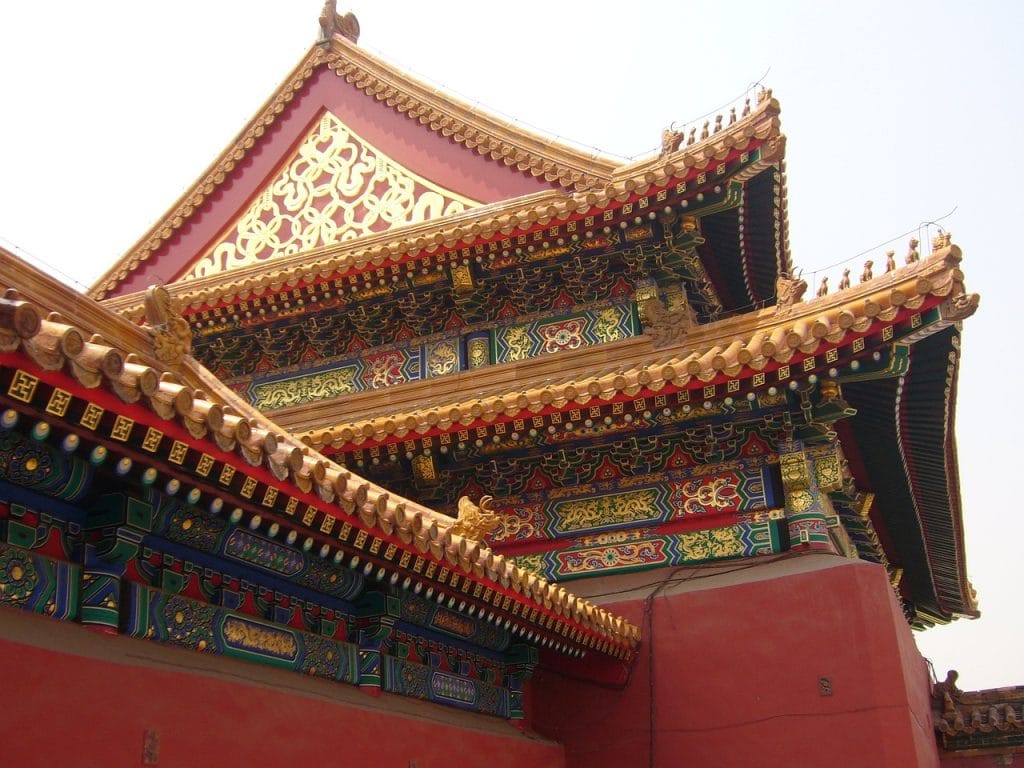
- The golden roofs of the buildings are designed to symbolize the emperor’s supreme power.
- The complex is meticulously aligned with the principles of Feng Shui, ensuring harmony between architecture and nature.
Visiting the Forbidden City is a once-in-a-lifetime experience that offers a window into China’s imperial past. With careful planning and these insider tips, you can unlock the secrets of this magnificent palace and create memories that will last a lifetime. Whether you’re marveling at the grandeur of the Hall of Supreme Harmony or strolling through the serene Imperial Garden, the Forbidden City promises to leave you in awe.
So, pack your bags, book your tickets, and get ready to step back in time to the era of emperors and dynasties. The Forbidden City awaits!
 English
 Chinese
 Korean
 Japanese
 German
 Spanish
 French
 Russian
 Thai
Thai